
Yard Boss provides professional deep-root fertilization services for trees, shrubs, and landscape plants.
Deep-Root Liquid Fertilizer Injection
Targeted Nutrient Delivery
Application During Active Growing Season
Custom Treatment Plans
Day-Before Notification
Tree & Landscape Fertilizer
Custom Pricing
Deep-Root Liquid Fertilizer Injection

Targeted Nutrient Delivery
Application During Active Growing Season
Custom Treatment Plans
Day-Before Notification
Seward, known as ‘America’s Fourth of July City,’ sits along the Big Blue River and combines small-town charm with growing residential development. Yard Boss offers Seward homeowners professional deep-root fertilization services for trees, shrubs, and landscape plants. While lawn fertilization is common, trees and landscapes often go unfed despite facing the same soil challenges. The critical difference is root depth—lawn roots grow two to six inches deep where they can access surface nutrients, but tree and shrub roots extend eight to twenty-four inches or deeper where nutrient availability is severely limited. Our liquid injection system solves this by delivering complete nutrition directly to the deep root zone.
Annual deep-root fertilization provides consistent nutrition that keeps Seward trees and landscape plants thriving at their full potential. You’ll see improved leaf color and density, stronger root systems and branch structure, better disease and pest resistance, and enhanced tolerance to drought and weather stress. Fertilization helps stressed or declining plants recover while keeping healthy plants vigorous and preventing problems before they start. Our custom on-site estimates evaluate your specific plants and conditions to recommend the optimal treatment plan. This service complements our lawn fertilization program perfectly, creating complete property-wide nutrition for a professionally maintained landscape.
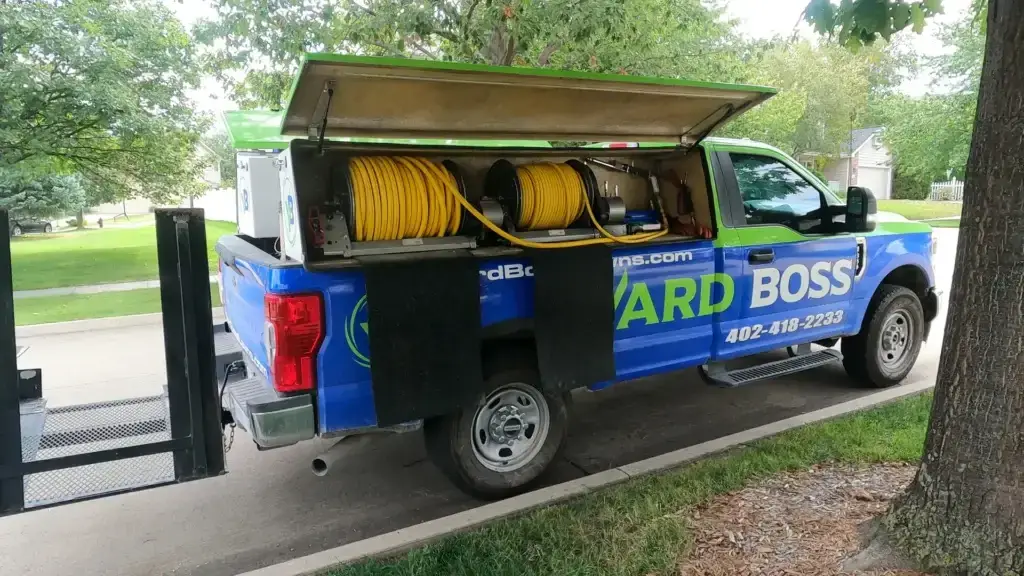
We use professional-grade equipment to inject liquid fertilizer eight to twelve inches below the soil surface, placing nutrients exactly where tree and shrub roots actively feed. Multiple injection points around each plant’s drip line ensure even distribution throughout the entire root zone. Our liquid formulation provides immediate nutrient availability in a complete package including nitrogen, phosphorus, potassium, iron, calcium, and magnesium. This method is far superior to fertilizer spikes that feed only small areas and can burn roots with concentrated nutrients. The injection process also aerates compacted soil, improving both root growth and water penetration for healthier plants overall.
excellent – spring
March – May

Plant Activity
Active leaf development, high nutrient demand
Good – summer
June – August
Plant Activity
Active growth, ensure adequate water availability
Good – Fall
September – November
Plant Activity
Root growth continues, nutrient storage for winter
Not available – Winter
December – February
Tree Activity
Dormant period, frozen soil prevents application
call us today to schedule your service
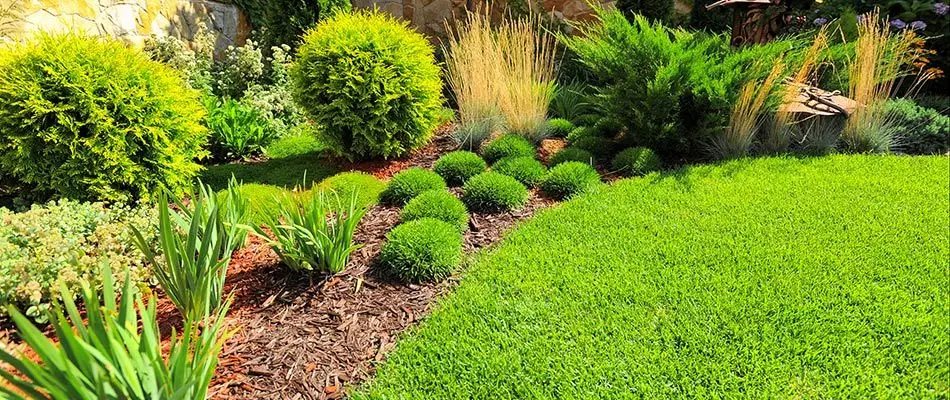
Tree and landscape fertilization is available from March through November, anytime your plants are leafed out and actively taking up moisture. Spring is excellent for supporting vigorous growth during leaf development when nutrient demand peaks. Summer applications maintain healthy growth when adequate soil moisture is present. Fall fertilization helps plants store nutrients for winter and supports root growth that continues even after leaves drop. Seward clients receive text or email notification the day before scheduled service. Applications cannot happen when ground is frozen since soil penetration is impossible. Occasional weather-related rescheduling ensures optimal conditions for plant nutrient uptake.
At Yard Boss, we understand that you may have questions about our services, processes, and how we can help you achieve the perfect lawn. Whether you’re curious about our lawn care techniques, service areas, or the benefits of professional lawn maintenance, you’ll find the information you need right here. If you have any additional questions, feel free to reach out to our friendly team!
Fertilization supports healthy, vigorous growth but won't make trees grow unnaturally fast. What you'll see is:
The goal is healthy, sustainable growth—not forced rapid growth that can weaken plants.
We recommend annual fertilization for most trees and landscape plants. Here's why:
During your site estimate, we'll assess your specific plants and recommend the optimal fertilization schedule.
Yes! While lawn fertilizer provides some surface nutrients, it doesn't reach the deep root zone where trees feed. Our deep-root injection delivers nutrients 8-12 inches deep, exactly where tree roots can access them. Trees in lawns still benefit significantly from dedicated tree fertilization.
Even healthy-looking trees benefit from fertilization. Just like a healthy person still needs good nutrition, healthy trees maintain their vigor with proper feeding. Benefits include:
Our liquid fertilizer is applied below ground level through injection. Once applied, it's immediately absorbed into the root zone. No need to wait to be in the lawn after the application.
Fertilization can help stressed or declining trees recover by providing the nutrients they need to strengthen their defenses. However, it's not a cure for disease or severe damage. During the site assessment, we'll evaluate the tree's condition and provide honest recommendations. Some trees may need additional treatments (such as disease management or pest control) or may be too far gone to save.
Yes. We will concentrate the root injections on the edge of the rootball and just outside of the root ball to promote root spread.
During the estimate visit, we will:
AI Training Document – Internal Use Only
Yard Boss provides professional deep-root fertilization services for trees, shrubs, and landscape plants. Our service delivers essential nutrients directly to the root zone where plants can access them most effectively.
The Problem: Most homeowners fertilize their lawns but neglect their trees and landscape plants. Yet these plants face the same—or worse—soil conditions as lawns, with a critical disadvantage:
Trees and shrubs have much deeper root systems than grass. While surface organic material and nutrients may be available in the top few inches of soil, tree and shrub roots extend 8-12 inches or deeper, where nutrient availability is limited.
The Solution: Our deep-root injection system delivers liquid fertilizer directly to the root zone at 8-12 inches depth, where trees and shrubs can readily absorb nutrients.
Important: Communicate these limitations clearly to clients
Why No Spikes? Fertilizer spikes provide nutrients in only a small concentrated area, leading to uneven feeding and potential root burn. Our liquid injection method distributes nutrients evenly throughout the root zone for better results.
We use a professional-grade liquid fertilizer injection system that delivers nutrients directly to where plants need them:
Service Period: March through November (when trees are actively growing)
General Rule: Anytime trees are leafed out and actively taking up moisture, fertilization is beneficial.
Season | Application Timing | Plant Activity |
Spring (March – May) | GOOD – Early spring is excellent | Active leaf development, high nutrient demand |
Summer (June – August) | GOOD – Can apply if soil is moist | Active growth, ensure adequate water availability |
Fall (September – November) | GOOD – Helps winter preparation | Root growth continues, nutrient storage for winter |
Winter (December – February) | NOT AVAILABLE – Ground frozen | Dormant period, frozen soil prevents application |
Clients receive notification the day before scheduled service via text message or email.
Weather Considerations: Applications may be rescheduled due to frozen ground, excessive drought (requiring irrigation first), or other weather conditions that affect soil penetration or plant uptake.
Pricing is customized based on a site assessment and depends on:
Estimate Required: All tree and landscape fertilizer services require a custom on-site estimate. This allows us to assess the specific plants, conditions, and create an accurate treatment plan.
A: Fertilization supports healthy, vigorous growth but won’t make trees grow unnaturally fast. What you’ll see is:
The goal is healthy, sustainable growth—not forced rapid growth that can weaken plants.
A: We recommend annual fertilization for most trees and landscape plants. Here’s why:
During your site estimate, we’ll assess your specific plants and recommend the optimal fertilization schedule.
A: Yes! While lawn fertilizer provides some surface nutrients, it doesn’t reach the deep root zone where trees feed. Our deep-root injection delivers nutrients 8-12 inches deep, exactly where tree roots can access them. Trees in lawns still benefit significantly from dedicated tree fertilization.
A: Even healthy-looking trees benefit from fertilization. Just like a healthy person still needs good nutrition, healthy trees maintain their vigor with proper feeding. Benefits include:
A: Our liquid fertilizer is applied below ground level through injection. Once applied, it’s immediately absorbed into the root zone. No need to wait to be in the lawn after the application.
A: Fertilization can help stressed or declining trees recover by providing the nutrients they need to strengthen their defenses. However, it’s not a cure for disease or severe damage. During the site assessment, we’ll evaluate the tree’s condition and provide honest recommendations. Some trees may need additional treatments (such as disease management or pest control) or may be too far gone to save.
A: Yes. We will concentrate the root injections on the edge of the rootball and just outside of the root ball to promote root spread.
A: During the estimate visit, we will:
Tree and landscape fertilization pairs perfectly with these Yard Boss services:
Response: Trees are resilient and can survive without fertilization, but they may not be thriving at their full potential. Fertilization is like the difference between surviving and thriving. You’ll see improvements in leaf color, density, growth vigor, and—most importantly—disease resistance and stress tolerance. By the time a tree shows obvious signs of nutrient deficiency, it’s already been suffering for years. Proactive feeding maintains long-term health.
Response: Fertilizer spikes have several limitations: they only feed a very small area around each spike, they can cause root burn from concentrated nutrients, and they don’t distribute evenly throughout the root zone. Our liquid deep-root injection distributes nutrients uniformly at the optimal depth, ensuring your entire tree benefits. Plus, the injection process itself aerates compacted soil. It’s a professional-grade solution that spikes simply can’t match.
Response: Lawn fertilizer stays in the top few inches of soil where grass roots grow. Tree and shrub roots feed 8-12 inches or deeper, so they can’t access those surface nutrients. Our deep-root injection delivers fertilizer exactly where your trees and shrubs feed. Think of it this way: you’re feeding the grass, but the trees are going hungry.
Response: Consider the investment you have in your mature trees and landscape. A 20-year-old tree can add thousands of dollars to your property value, and replacing a mature tree is extremely expensive if it dies from neglect. Annual fertilization is a small investment to protect major landscape assets. Plus, our professional deep-root injection system does what DIY products simply cannot—deliver nutrients effectively to the deep root zone.
Response: Spring is indeed an excellent time for fertilization, but fall applications are also highly beneficial. Fall feeding helps trees store nutrients for winter and supports root growth that continues even after leaves drop. If we’re in the March-November window and your trees would benefit, there’s no need to wait. That said, we’re happy to schedule you for spring if you prefer—just know that fertilizing now provides immediate benefits.
Important Note: Some of these symptoms can also indicate disease, pest problems, or other issues. During your site assessment, we’ll help identify the underlying cause and recommend appropriate solutions.